
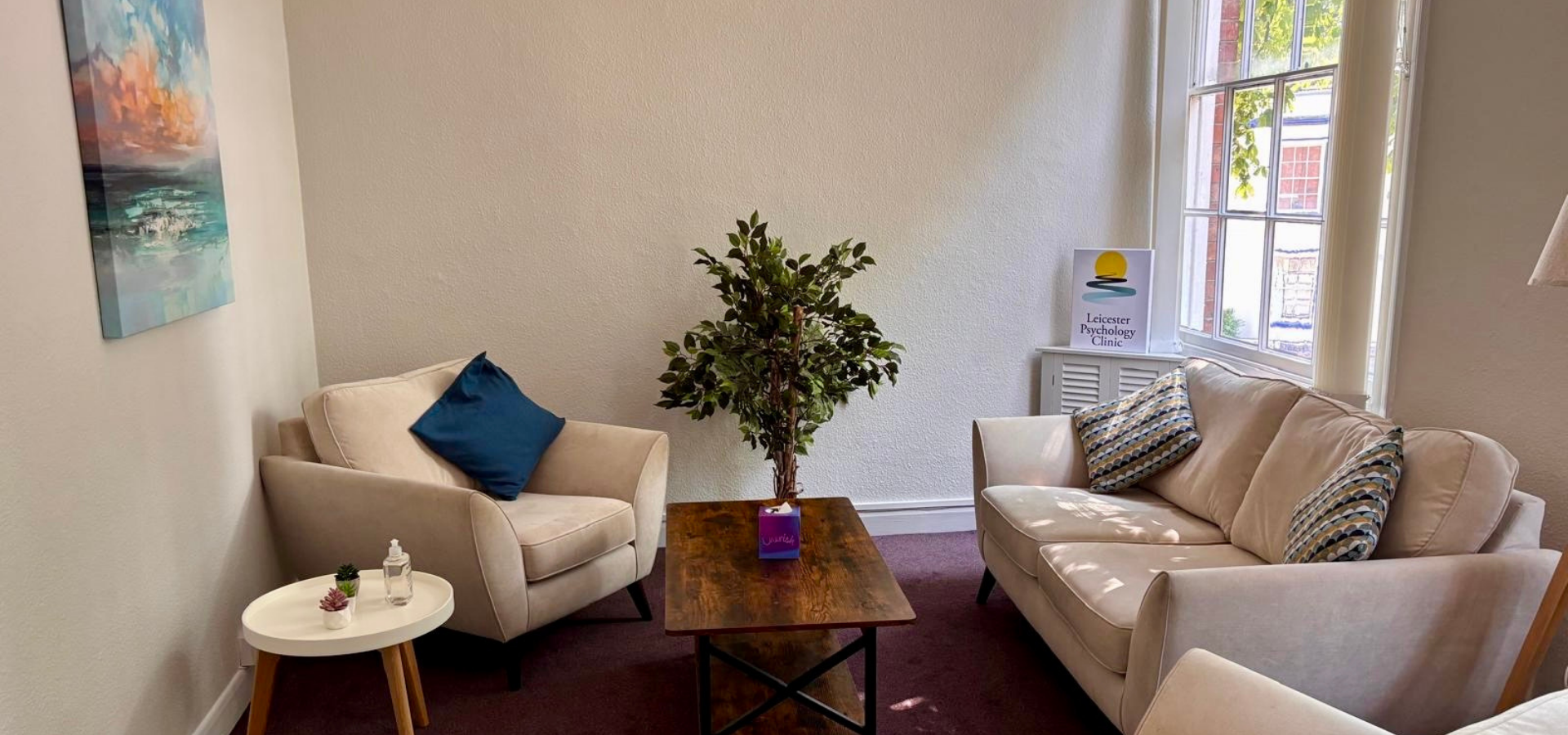
At Leicester Psychology Clinic, we provide a neuro-affirmative approach which recognises autism as a different way of experiencing the world. We use comprehensive, evidence-based assessment methods while acknowledging lived experience throughout the process.
Whilst a diagnostic assessment uses specific diagnostic criteria, Leicester Psychology Clinic assessments consider the whole person and understands that being autistic is unique to each person. We recognise that women and girls may present differently, our clinicians are experienced in assessing these gender differences.
Specialists in assessing girls and ASD
NICE-aligned, gold standard assessments
Specialist multi-disciplinary team
Face-to-face individualised assessment
What is Autism?
Autism Spectrum Disorder (ASD) is a lifelong neurodevelopmental condition that affects how a person communicates, interacts, and processes their environment.
There are three core characteristics that must be evident in order to receive a diagnosis of autism, and these are differences in:
Communication
This can present as speech being limited, delayed or non-verbal, finding it challenging to read body language or facial expressions, taking things literally (including metaphors and jokes).
Behaviours and Interests
Including focused and dedicated interests, repeated movements and behaviour (stimming) and preference for order, predictability or routine.
Sensory Processing
Such as being significantly more sensitive to external stimuli (visuals, sounds, smells and touch) than others, experiencing distress when experiencing sensory differences.
Receiving a diagnosis can provide a deeper understanding of yourself or your child, tools and techniques to navigate life more easily, and pathways of specialised support.
The Autism Assessment Process
Autism assessments for children and adults at Leicester Psychology Clinic take place following a recommendation from the stage 1 neurodevelopmental screening assessment.
Our assessments are gold-standard, meaning they follow the National Institute for Health and Care Excellence (NICE) guidelines, and the Diagnostic and Statistical Manual (DSM V) diagnostic criteria – the same standards used in the NHS.
- ADI-R (Autism Diagnostic Interview-Revised)
- Clinical interviews discussing your or your child’s developmental, educational and work history, current symptoms and the impact they have on everyday life
- Evidence-based questionnaires designed to measure autistic traits and behaviours
- Autism Diagnosis Observation Schedule (ADOS 2) to evaluate how autism affects your everyday life
- Information from other sources, such as family or caregivers, teachers and medical history
Assessing Autism in Children
When assessing a child for autism, there are additional steps that Leicester Psychology include as standard to obtain greater reliability in making a diagnosis and provide additional valuable information.
- A Cognitive Assessment is undertaken using the Wechsler Intelligence Scale for Children (WISC) to understand a child’s cognitive strengths and challenges, providing insights into how they think and learn
- School observations to provide additional information about how the child manages the school environment
- Sensory screening to highlight any specific areas of difference
Autism Diagnosis
The Leicester Psychology Clinic multi-disciplinary team will review all the information collected from the various assessments and compare this against the DSM-5 criteria for Autism Spectrum Disorder.
You will then receive a comprehensive report indicating whether the diagnostic criteria for autism have been met. Whilst a diagnosis can’t be guaranteed, our report will provide a detailed overview of strengths and difficulties, and how you can continue to support your child or be supported yourself.
Our reports are gold-standard and undertaken according to the NHS NICE guidelines, our reports are recognised by education, workplace and healthcare settings. They can be used to advocate for your rights to adjustment. You may choose to share this report with school, work, or other healthcare providers. As it is your report, it is at your discretion who you share it with.
Finally, your clinician will arrange an online or telephone meeting to discuss the report and outcome, and to answer any questions you may have.
Post-diagnosis Support for Autism
Parent Support
Child Therapy
Adult Support
Being told your child is neurodivergent can be challenging. To support you and your family post-diagnosis, we offer workshops and training sessions about autism and neurodiversity. These are also a great place to meet other parents who share similar experiences.
Parents and families can also book 1-1 support sessions with a clinician who specialises in autism to discuss specific challenges and explore strategies to support your child through life.
Children may find it helpful to have a positive space to help understand themselves and their needs better, in light of an autism diagnosis. The type of therapy offered will depend on each individual child’s needs.
Receiving a diagnosis of autism can be affirming and validating of the way that a person uniquely views the world, relationships and themself. However, sometimes it can be helpful to meet with a clinician who specialises in this area for a 1:1 post-diagnostic support session. During these sessions, you will be able to talk about the challenges you face in everyday life and learn techniques to help you through them.
Fill out the form below to enquire about an autism assessment, and a member of our team will be in touch..
By submitting your information, you’re giving us permission to contact you. You may request deletion of your details at any time. We aim to respond to all enquiries within 24-48 hours.
Frequently Asked Questions
How much does an autism assessment cost?
A comprehensive autism assessment for an adult costs £2,000. For a child it costs £2,800
If you require a combined autism and ADHD assessment, the cost for an adult is £2,800 and £3,550 for a child. Payment plans are available – please speak to a member of the admin team to set this up.
How long will the autism assessment take?
For a child autism assessment, appointments take place face to face over a number of sessions, including a sensory screening or school observation, the Autism Diagnostic Schedule (ADOS-2). The number of sessions is based on the child’s needs. There will also be a feedback session that can include your child’s school if desired.
An autism assessment for an adult may take up to 4.5 hours face-to-face, with a 1 hour feedback session 1 week later.
Can the autism assessment be done online?
No, all neurodevelopmental assessments at Leicester Psychology Clinic include face-to-face appointments to support high-quality observation, rapport-building and accurate clinical decision-making.
Can you assess pre-school children?
Yes, our clinicians are experienced in assessing pre-schoolers and understand how early developmental differences can present at this age. Standard assessments will be adapted to this age-group, without losing the quality and integrity of the assessment.