
At Leicester Psychology Clinic we provide gold-standard neurodevelopmental assessments for children, young people, and adults. This includes, ADHD, autism, combined ADHD and autism, learning or sensory differences.
Our neurodevelopmental assessments are undertaken by our highly experienced multidisciplinary team, including psychologists, occupational therapists, and speech and language therapists. All of our assessments adhere to the National Institute for Health and Care Excellence (NICE) guidelines and DSM-5 (Diagnostic & Statistical Manual) criteria. All our neurodevelopmental assessments are conducted in person in our clinic.
We recognise that women and girls can present differently and our clinicians have significant experience in assessing these different presentations. As with all of our services, we work in a neuroaffirmative way, highlighting strengths as well as challenges.
The assessment process at Leicester Psychology Clinic for neurodiversity has two stages. Stage 1 is a Neurodevelopmental Screening Assessment, which is approximately a 90 minute face-to-face appointment with a £295 fee. A brief summary letter is provided, which may recommend our Stage 2 assessment, or alternative services.
Stage 2 is a Diagnostic Assessment. Fees vary depending on the type of assessment that is recommended – please see our fees page for more information.
Highly qualified neurodevelopmental specialists
School-based and work place support and training
Broader screening that considers the whole picture
Tailored reports and recommendations
Specialists in girls with ASD and trauma overlap with ND
Why screen for neurodivergence?

A neurodevelopmental screening assessment helps you understand how your brain works and processes information, recognising that people naturally think and learn in different ways. This assessment identifies your strengths and challenges, providing insight into why certain tasks feel effortless while others require more energy or different approaches.
Whether you’re curious about attention differences, social communication patterns, learning styles, or sensory sensitivities, the screening offers clarity. It can identify traits associated with ADHD, autism, or other neurodivergent patterns, giving you useful language to describe your experiences and access appropriate support.
This knowledge can reduce confusion or self-criticism about why certain things feel harder for you than others, and it opens doors to communities and resources that match your needs.
Ultimately, a neurodevelopmental assessment provides practical information that helps you work with your natural cognitive style, advocate for what you need, and build on your existing strengths.
What is Covered in a Stage 1 Screening Assessment?
Stage 1 screening assessments at Leicester Psychology Clinic includes three methods to understand the person being assessed and their circumstances.
Evidence-based screening questionnaires
• Self-report measures, e.g SDQ, RCADS
• Parent questionnaires, eg SDQ, AQ, SNAP IV, RCADS
• If applicable, a school-based questionnaire and relevant reports
Clinical Interview
You will have the opportunity to discuss:
•Early development and educational history
•Information from school, work or close relative or friend
•Mental health and emotional regulation
•Experience of trauma and/or major life events
•Sensory processing differences
•Social communication and social interaction
•Interests and routines
•Attention & Concentration
•Hyperactivity and Impulsivity
Observations
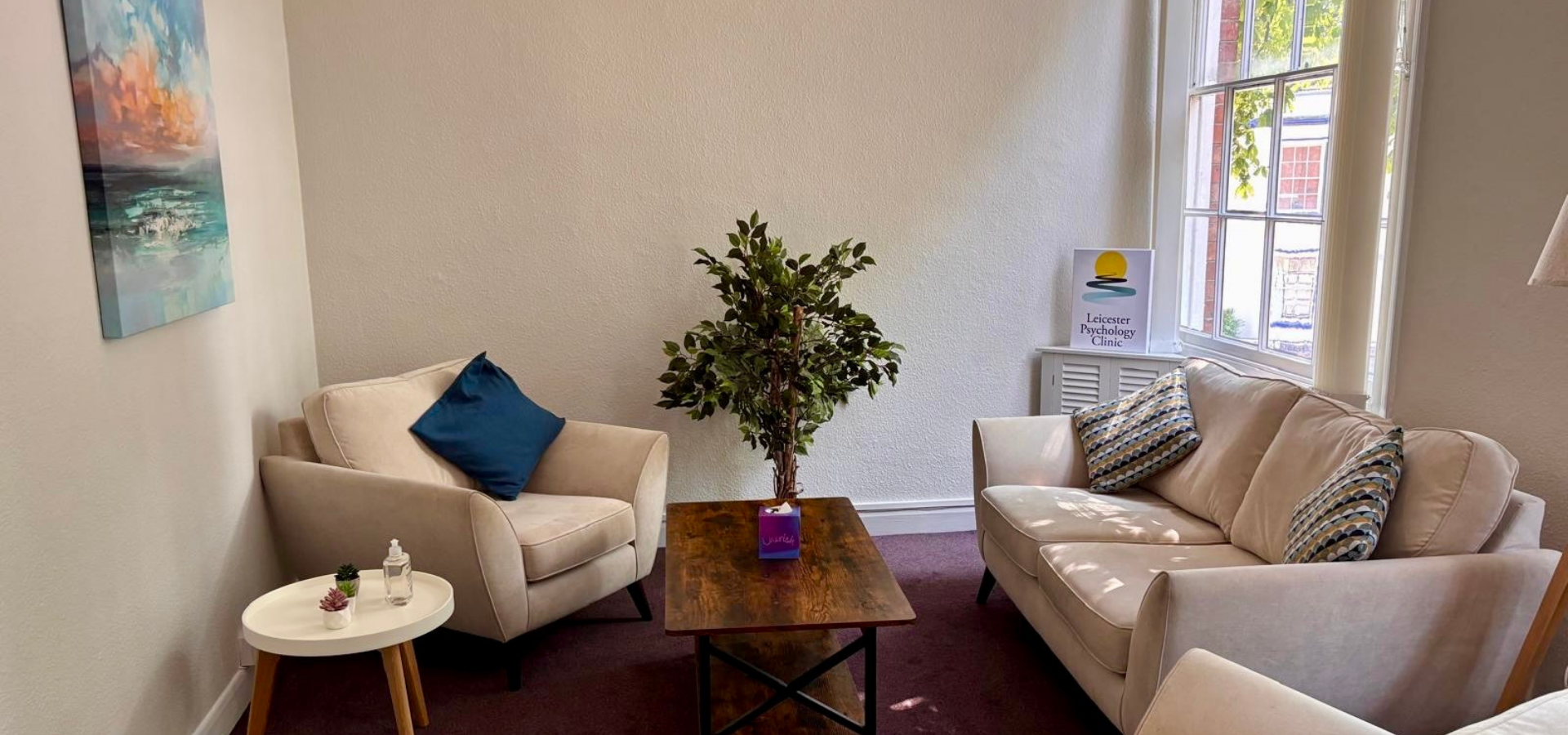
All our assessments are face to face and take place in our comfortable clinic space. This enables the assessor to observe non-verbal as well as verbal communication and behaviours, which adds to the depth, quality and reliability of the outcome.
Feedback and Next Steps
A Stage 1 screening assessment informs the next best step, which might include a recommendation for a Stage 2 diagnostic assessment for ADHD, autism or combined ADHD and autism.
If the screening assessment does not indicate the need for a Stage 2 diagnostic assessment for ADHD or autism, the recommendation may be for another service within Leicester Psychology Clinic, for example an educational psychology or dyslexia assessment, or talking therapy.
Some may find the screening assessment alone sufficient, as it provides valuable insights and recommendations, which can empower families and individuals to advocate for themselves or their child (for example at school/with healthcare providers/at work).
We understand that private assessments can be a big investment, and that not all families and individuals will be able to access both stages. Payment plans are available for Stage 2 diagnostic assessments.
More information about our Stage 2 assessments can be found here:
Combined ADHD/Autism Assessments
At Leicester Psychology Clinic we recognise that people can present with both types of neurodivergence. If the neurodevelopmental screening assessment indicates both autism and ADHD traits then a combined ADHD and autism diagnostic assessment can be undertaken.
combined assessment for ADHD/autism, this will be undertaken by at least three members of our specialist multidisciplinary team. Evidence-based gold-standard assessment measures are used, in line with the NHS guidelines.
At the end of the assessment you will receive a single comprehensive report, drawing together evidence from all aspects of the assessment, and indicating whether the diagnostic criteria for ADHD and/or autism have been met or not. Our reports are gold-standard and undertaken according to the NHS NICE guidelines, our reports are recognised by education, workplace and healthcare settings. They can be used to advocate for your rights to adjustment. An online follow up appointment will be provided to discuss the assessment outcome, the recommendations and answer any questions. Information about post diagnostic support will be provided.
Meet the Neurodevelopmental Team


Fill out the form below to enquire about a Stage 1 neurodevelopmental screening assessment, and a member of our team will be in touch.
By submitting your information, you’re giving us permission to contact you. You may request deletion of your details at any time. We aim to respond to all enquiries within 24-48 hours.
Frequently Asked Questions
How much does a stage 1 neurodevelopmental screening assessment cost?
A stage 1 neurodevelopmental screening assessment at Leicester Psychology Clinic costs £295.
How long will the stage 1 neurodevelopmental screening assessment take?
You will be given a questionnaire to fill out before your 90 minute face-to-face appointment in the clinic. The summary letter, including recommendations, will be sent to you within 2 weeks of this appointment.
Can the screening be done online?
Unlike online tests and remote neurodevelopmental screening, Leicester Psychology Clinic assessments are face-to-face to support high-quality observation, rapport-building and accurate clinical decision-making. Our assessments consider the whole person and not just symptoms.
Can you assess pre-school children?
Our clinicians are experienced in assessing pre-schoolers and understand how early developmental differences can present at this age. Standard assessments will be adapted to this age-group, without losing the quality and integrity of the assessment.
Will I get a diagnosis if I have an assessment for autism or ADHD?
Whilst some people will progress to a stage 2 diagnostic assessment, not everyone will automatically receive a diagnosis for ADHD or autism if the diagnostic criteria for these aren’t met. Sometimes symptoms that can present as autism or ADHD can be better understood from a different perspective, e.g. learning differences or mental health difficulties, and a different assessment or treatment plan may be more appropriate.
How do I make an appointment?
- Complete the contact form above.
- One of our friendly admin team will contact you with information about the neurodevelopmental screening assessment process.
- If you decide you would like to go ahead, you can contact the admin team via email hello@leicesterpsychologyclinic.co.uk or telephone 0116 32665617to make an appointment at your earliest convenience.
- The appointment confirmation, information about the clinic location and parking will be emailed to you, along with payment details.Payment is made before your appointment.
- Plan your journey, keep the clinic contact and appointment details at hand, and arrive in plenty of time.
- You will be met at our clinic by our friendly admin team, who will direct you to our comfortable waiting room, until your appointment time.